
Comprehensive Guide to Indian Pressure Cookers: Explore Top Models from Hawkins, Prestige, and Preethi. Learn About Different Types, Materials (Aluminum, Stainless Steel, Triply), and Their Unique Features for Efficient Cooking


Sale!
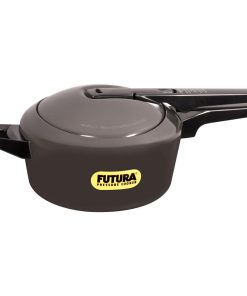
Pressure Cooker
Original price was: $139.00.$125.00Current price is: $125.00.


Pressure Cooker
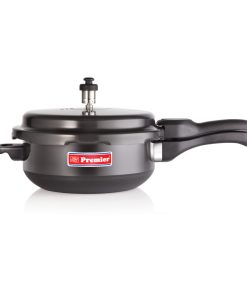
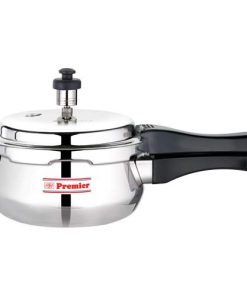
Premier Comfort Stainless Steel 10 L Sandwich Botttom Pressure Cooker with Induction
$113.00
$79.00



Sale!

Pressure Cooker
Original price was: $132.00.$109.00Current price is: $109.00.




Sale!

Pressure Cooker
Original price was: $99.00.$75.00Current price is: $75.00.
Buy Pressure cookers online. Prestige, Hawkins brands in 1,5, 3, 3,5, 5, 10 and 12 litres. Stainless Steel and Hard Andoized, Aluminium Pressure Cookers available. We Ship Australia Wide.
indian pressure cooker stainless steel, indian pressure cookers,pressure cooker indian store,prestige stainless steel pressure cooker,pressure pan,hawkins pressure cooker australia,pressure pan,prestige clip on pressure cooker.
Indian-style pressure cookers are an integral part of Indian kitchens and are widely used for preparing a variety of traditional dishes. These pressure cookers are typically made of stainless steel or aluminum and are designed for cooking under high pressure, which helps in faster cooking of lentils, rice, curries, and other Indian recipes.
These cookers usually consist of a sturdy metal pot, a locking lid with a rubber gasket, and a vent or pressure release mechanism. The design allows for the build-up of steam inside the pot, which significantly reduces cooking time while retaining the flavors and nutrients of the ingredients.
In Indian cooking, pressure cookers are commonly used for preparing dishes such as dal (lentil curry), rice, biryani, curries, and stews. They are especially useful for cooking tough cuts of meat and legumes, which require longer cooking times to become tender.
The use of Indian-style pressure cookers has become widespread due to their efficiency, time-saving benefits, and their ability to cook food thoroughly while preserving the natural flavors and nutritional value of the ingredients.
Adding Ingredients: Place the ingredients such as rice, lentils, vegetables, or meat along with the required amount of water or broth inside the pressure cooker. Closing the Lid: Ensure that the sealing ring is in good condition and properly fitted. Close the lid securely by aligning the lid handle with the body handle and turning it in a clockwise direction.
Setting Pressure: Depending on the recipe, set the pressure regulator weight on the vent pipe to the required pressure level (high or low) as indicated in the recipe or the cooker's manual.
Heating: Place the pressure cooker on the stovetop over high heat until pressure builds up. Once the desired pressure is reached, the pressure regulator will start to rock or emit steam, indicating that it's time to reduce the heat.
Cooking Time: Once the pressure is regulated, reduce the heat to maintain a steady and gentle rocking motion of the pressure regulator. Cook the ingredients for the specified time as per the recipe.
Releasing Pressure: After cooking, turn off the heat and allow the pressure to release naturally by letting the cooker cool down. Alternatively, you can carefully release the pressure manually using the quick-release method, following the manufacturer's instructions.
Opening the Lid: Once the pressure is fully released, carefully open the lid away from you to avoid any residual steam. Your dish is now ready to be served!
Pressure cookers are essential kitchen appliances that use steam pressure to cook food quickly and efficiently. They are particularly popular in Indian households due to their ability to prepare a wide variety of dishes, from rice and lentils to meats and vegetables.
How They Work
Pressure cookers operate by trapping steam inside a sealed pot. As the liquid inside heats up, it creates steam, which increases the pressure within the cooker. This elevated pressure raises the boiling point of water, allowing food to cook faster than traditional methods. The result is tender, flavorful dishes in a fraction of the time.Benefits
- Time-Saving: Pressure cookers significantly reduce cooking times, making them ideal for busy lifestyles.
- Energy Efficient: They use less energy compared to conventional cooking methods because they cook food faster.
- Nutrient Retention: The quick cooking process helps preserve more nutrients in the food.
- Versatility: Suitable for a wide range of recipes, from soups and stews to desserts.
- Safety: Modern pressure cookers come with multiple safety features, such as pressure indicators, safety valves, and locking lids.
- Hawkins Contura Black Pressure Cooker
- Capacity: Available in 3L and 5L
- Material: Hard anodized aluminum
- Features: Inner lid, induction compatible, ergonomic handle
- Benefits: Even heat distribution, durable, easy to clean
- Prestige Popular Aluminum Pressure Cooker
- Capacity: Available in 3L, 5L, 7.5L, 10L and 12L
- Material: Aluminum
- Features: Outer lid, safety valve, gasket release system
- Benefits: Affordable, lightweight, quick cooking
- Preethi Pressure Cookers
- Capacity: Available in various sizes from 2L to 10L
- Material: Stainless steel and aluminum options
- Features: Outer lid, induction base, spill splash shield
- Benefits: High-quality materials, durable, efficient cooking
Why Choose Indian Pressure Cookers?
- Efficiency: They cook food faster, saving time and energy.
- Versatility: Suitable for a wide range of dishes, from rice and lentils to meats and vegetables.
- Safety: Equipped with multiple safety features like pressure indicators and safety valves.
- Durability: Made from high-quality materials that ensure long-lasting performance.
Popular Brands
- Hawkins: Known for its innovative designs and reliable performance.
- Prestige: Offers a wide range of models with various features to suit different needs.
- Preethi: Offers a variety of pressure cookers with modern features and durable construction
1. Aluminum Pressure Cookers
- Advantages: Lightweight, excellent heat conduction, and generally more affordable.
- Drawbacks: Less durable, can warp over time, and may react with acidic foods
2. Stainless Steel Pressure Cookers
- Advantages: Highly durable, non-reactive with foods, easy to clean, and often dishwasher-safe.
- Drawbacks: Heavier and typically more expensive than aluminum.
3. Triply Pressure Cookers
- Construction: Made of three layers - an outer layer of stainless steel, a middle layer of aluminum or copper for heat conduction, and an inner layer of stainless steel.
- Advantages: Excellent heat distribution, durable, non-reactive, and efficient cooking.
- Drawbacks: More expensive than single-material cookers
Hawkins
- Hawkins Classic
- Hawkins Contura
- Hawkins Futura
- Hawkins Stainless Steel
- Hawkins Bigboy
- Hawkins Miss Mary
- Hawkins Hevibase
Prestige
- Prestige Popular
- Prestige Deluxe Alpha
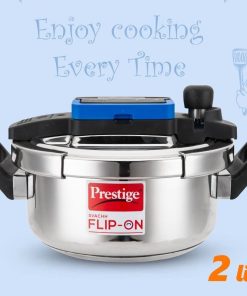
- Prestige Clip-On
- Prestige Nakshatra Plus
- Prestige Svachh
- Prestige Smart Plus
- Prestige High Dome
Preethi
- Preethi Outer Lid Aluminum
- Preethi Induction Base Stainless Steel
- Preethi Outer Lid Triply
- Preethi Pressure Pan
- Preethi Outer Lid Stainless Steel
- Preethi Induction Base Aluminum
- Preethi Spill Splash Shield