
Bommalu / Gollu Dolls / Gollu Steps, Gollu Return Gifts


Sale!

Original price was: $19.00.$10.00Current price is: $10.00.
Sale!

Original price was: $145.00.$110.00Current price is: $110.00.


Sale!

Original price was: $50.00.$42.00Current price is: $42.00.

Sale!
Kolu/Golu
Original price was: $65.00.$50.00Current price is: $50.00.

Sale!
Original price was: $65.00.$50.00Current price is: $50.00.




Sale!

Original price was: $112.00.$90.00Current price is: $90.00.
Sale!

Original price was: $30.00.$25.00Current price is: $25.00.


Navaratri is a major Hindu festival celebrated for nine nights (and ten days) in honor of the divine feminine. It is observed in the autumn every year. The word "Navaratri" means "nine nights" in Sanskrit. During this time, various forms of the goddess Durga, Lakshmi, and Saraswati are worshiped. The festival is marked by fasting, dance, and the display of dolls and figurines in homes. It is a time of great joy and devotion for Hindus around the world During Navaratri, people engage in various traditional and cultural activities. Some common practices during Navaratri include:
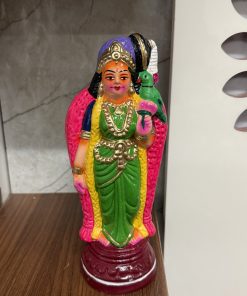
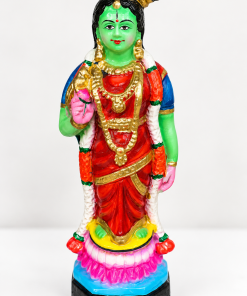
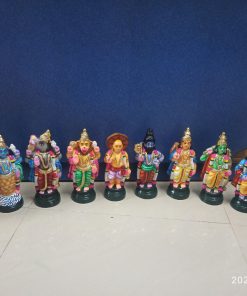
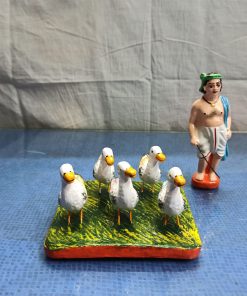
Golu, also known as Kolu, is a traditional and elaborate display of dolls and figurines arranged on stepped platforms during the festival of Navaratri, particularly in the southern states of India, such as Tamil Nadu, Karnataka, and Andhra Pradesh.
The Golu display typically consists of tiers or steps, often in odd numbers, with dolls and figurines representing various themes, including gods and goddesses, mythological characters, traditional rural life, and modern scenes. The arrangement often tells stories from Hindu mythology and showcases the cultural heritage of the region.
Visitors, especially women and children, are invited to homes to view the Golu display, and it is a time for socializing and sharing sweets and snacks. In some communities, it is also a custom to exchange gifts and return home with small gifts or tokens from the host.
The Golu display is not only a colorful and artistic tradition but also serves as a way to promote creativity, storytelling, and cultural exchange within the community.
- Navaratri: A Celebration of the Divine Feminine
Navaratri, meaning "nine nights," is a vibrant and significant Hindu festival dedicated to the worship of the divine feminine. Celebrated with great fervor across India and among Hindu communities worldwide, Navaratri honors the goddess Durga and her various forms. The festival typically occurs in the autumn, following the lunar calendar, and culminates in the grand celebration of Vijayadashami or Dussehra.
The Nine Nights of Devotion
Navaratri spans nine nights and ten days, each dedicated to different aspects of the goddess. The first three days are devoted to Durga, the warrior goddess who symbolizes strength and protection. The next three days honor Lakshmi, the goddess of wealth and prosperity. The final three days are dedicated to Saraswati, the goddess of wisdom and learning. Each day, devotees perform special prayers, rituals, and fasting to seek the blessings of these deities.Regional Variations
Navaratri is celebrated in various ways across India, reflecting the rich cultural diversity of the country:- Gujarat: Known for its energetic Garba and Dandiya Raas dances, Gujarat's Navaratri celebrations are a spectacle of color, music, and dance. People dress in traditional attire and dance around a central lamp or image of the goddess.
- West Bengal: Here, Navaratri is celebrated as Durga Puja, one of the most important festivals in the region. Elaborate pandals (temporary structures) are set up, housing beautifully crafted idols of Durga. The festival includes cultural performances, feasting, and community gatherings.
- Tamil Nadu: In Tamil Nadu, Navaratri is marked by the Gollu (or Kolu) display, where dolls and figurines are arranged on tiered steps. Each household creates intricate displays that depict scenes from mythology, daily life, and cultural heritage.
- Karnataka: Mysore in Karnataka is famous for its grand Dussehra celebrations, which include a royal procession, cultural events, and the illumination of the Mysore Palace.
Significance and Traditions
Navaratri is a time for spiritual reflection, renewal, and community bonding. The festival emphasizes the triumph of good over evil, as symbolized by Durga's victory over the buffalo demon Mahishasura. Devotees engage in various rituals, including fasting, reciting scriptures, and performing aarti (a devotional ceremony with light). The festival also highlights the importance of the feminine principle in the universe, celebrating the power, grace, and nurturing aspects of the goddess. It is a time for families and communities to come together, share festive foods, and participate in cultural activities