


Sale!

Original price was: $19.00.$10.00Current price is: $10.00.
Sale!

Original price was: $145.00.$110.00Current price is: $110.00.


Sale!

Original price was: $50.00.$42.00Current price is: $42.00.

Sale!
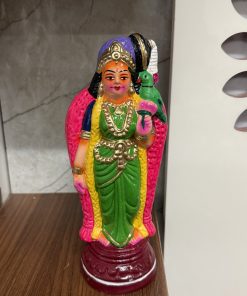
Kolu/Golu
Original price was: $65.00.$50.00Current price is: $50.00.

Sale!
Original price was: $65.00.$50.00Current price is: $50.00.


Sale!

Original price was: $112.00.$90.00Current price is: $90.00.
Sale!

Original price was: $30.00.$25.00Current price is: $25.00.
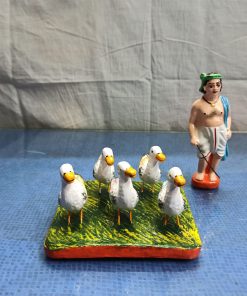




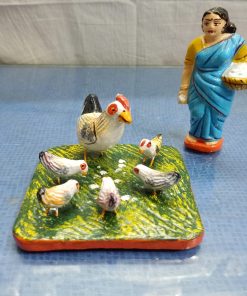


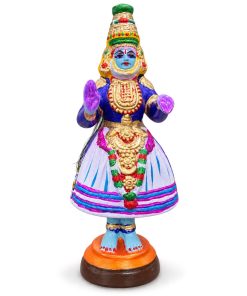

- Gollu, also known as Kolu or Bommai Golu, is a traditional festival celebrated predominantly in South India during the vibrant Navaratri season. This unique festival involves the artistic arrangement of dolls and figurines on tiered steps, creating a mesmerizing display that captures the essence of Indian culture and mythology.
- The word "Gollu" translates to "divine presence," and the festival is a tribute to the divine feminine energy. Each household meticulously arranges dolls, often passed down through generations, on a multi-tiered platform. The dolls represent various deities, scenes from Hindu epics, and everyday life, showcasing the rich tapestry of Indian traditions.
- The preparation for Gollu begins weeks in advance, with families cleaning and decorating their homes. The dolls are carefully unpacked, and new additions are often made to the collection. The arrangement typically starts with the highest tier dedicated to gods and goddesses, followed by tiers depicting saints, historical figures, and scenes from daily life.
- Gollu is not just about the visual spectacle; it is a time for social gatherings, music, and dance. Women and children visit each other's homes to admire the displays, sing devotional songs, and exchange sweets and gifts. The festival fosters a sense of community and togetherness, as neighbors and friends come together to celebrate.
- In essence, Gollu is a celebration of creativity, devotion, and cultural heritage. It is a festival that brings joy and unity, reminding us of the beauty of tradition and the importance of preserving it for future generations.
- Thanjavur Dolls: Originating from Tamil Nadu, these dolls are known for their unique bobble-head design. They symbolize the rich cultural heritage of the Thanjavur region and are often used to depict deities and royal figures
-
- Kondapalli Dolls: Crafted from softwood in Andhra Pradesh, these dolls are painted with vibrant colors and depict rural life and mythological scenes. They represent the traditional craftsmanship of the Kondapalli village and are a testament to the artisans' skills
- Channapatna Dolls: Made from lacquered wood in Karnataka, these dolls are renowned for their bright colors and smooth finish. They are often used to depict everyday scenes and are a symbol of the region's rich tradition of toy-making
- Clay Dolls from West Bengal: These dolls feature intricate designs and traditional attire, often representing various deities and mythological characters. They highlight the artistic heritage of West Bengal and are a significant part of the Gollu display
- Kalasa Aavahanam: On the first day of Navaratri, a welcoming ritual is performed for the goddesses Saraswati, Durga, and Lakshmi. This involves invoking the divine presence into a sacred pot (kalasa) filled with water, adorned with mango leaves, and topped with a coconut
- Setting Up the Gollu Steps: Families set up a multi-tiered display, usually with odd-numbered steps (3, 5, 7, 9, or 11). The steps are covered with fabric and adorned with various dolls and figurines, starting with deities at the top and descending to depict saints, historical figures, and everyday scenes
- Daily Pooja and Offerings: Each day of Navaratri, a special pooja (prayer) is performed in front of the Gollu display. Offerings such as fruits, sweets, and flowers are made to the deities, and devotional songs are sung
- Visiting and Socializing: It is customary for families to visit each other's homes to admire the Gollu displays. These visits are accompanied by singing devotional songs, exchanging sweets, and engaging in social activities, fostering a sense of community and togetherness
- Sundal Distribution: Sundal, a savory dish made from legumes, is prepared and distributed to visitors each day. This ritual symbolizes sharing and hospitality
- Vijayadashami Celebrations: On the final day of Navaratri, known as Vijayadashami, the Gollu display is dismantled. Special prayers are offered, and the dolls are carefully packed away for the next year. This day marks the victory of good over evil
- Gollu, celebrated during Navaratri, is a vibrant festival observed in various regions of South India, each with its unique traditions and customs. Here's how different regions celebrate Gollu:
Tamil Nadu
In Tamil Nadu, Gollu is known as Bommai Golu. The festival involves setting up elaborate displays of dolls on tiered steps, often depicting scenes from Hindu mythology, daily life, and cultural heritage. The highest tier is dedicated to deities like Durga, Lakshmi, and Saraswati. Families visit each other's homes to admire the displays, sing devotional songs, and exchange sweets. The Marapacchi Bommai (wooden bride and groom dolls) are a significant part of the display, symbolizing prosperity and fertilityAndhra Pradesh
In Andhra Pradesh, Gollu is referred to as Bommala Koluvu. The dolls are arranged on steps, and the display often includes scenes from rural life, mythological stories, and traditional crafts. Kondapalli dolls, known for their vibrant colors and depiction of village life, are popular in this region. The festival is marked by social gatherings, music, and dance, with families visiting each other's homes to view the displays and share festive foodsKarnataka
In Karnataka, the festival is called Bombe Habba. The doll arrangement includes various themes, such as court life, weddings, and everyday scenes. Channapatna dolls, made from lacquered wood, are a common feature in the displays. The festival emphasizes community bonding, with neighbors and friends visiting each other's homes, singing devotional songs, and exchanging sweets and giftsKerala
In Kerala, Gollu is known as Bommakkolu. While not as widely celebrated as in Tamil Nadu, Andhra Pradesh, and Karnataka, the festival involves setting up doll displays that depict mythological stories and cultural scenes. The focus is on the worship of Goddess Durga, with special prayers and offerings made during the nine days of NavaratriCommon Elements
Across all these regions, the festival fosters a sense of community and togetherness. The displays are a blend of spirituality, cultural heritage, and artistic expression, with each region adding its unique touch to the celebration. The rituals, such as daily pooja, sundal distribution, and social visits, are integral to the festival, highlighting the importance of preserving and passing down traditions. Gollu is a beautiful celebration that brings joy, creativity, and unity, reminding us of the rich cultural tapestry of India.