
Indian handis and dekshas are traditional cooking vessels made from copper, brass, Stainless Steel, Non Stick, and clay. Their unique design ensures even heat distribution, which is essential for authentic flavours. These pots preserve culinary heritage, making every dish a flavorful masterpiece


Sale!

Handis & Dekshas
Original price was: $40.00.$25.00Current price is: $25.00.
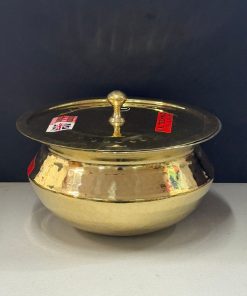
cooking Vessels
Brass Heavy Base Tin Coated Hammered Handi / Cooking Vessel & Brass Lid No 3 (25 Cm)
$133.00
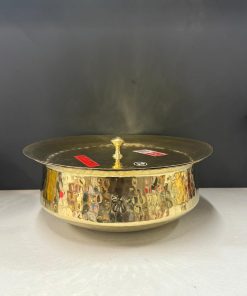
cooking Vessels
Brass Heavy Base Tin Coated Hammered Handi / Tope / Cooking Vessel & Brass Lid No 2 (22 Cm)
$105.00
cooking Vessels
Brass Heavy Base Tin Coated Hammered Handi / Tope / Cooking Vessel & Brass Lid No 3 (25 Cm)
$133.00
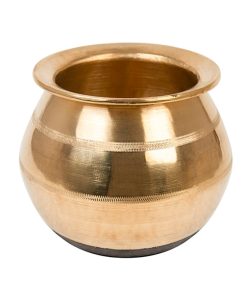
Sale!

Pooja Vessels
Original price was: $110.00.$75.00Current price is: $75.00.

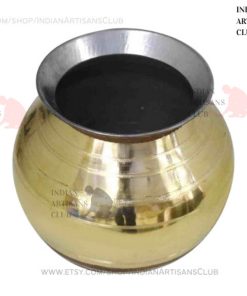


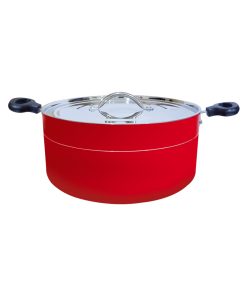
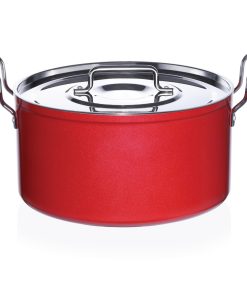

Sale!

Handis & Dekshas
Original price was: $25.00.$20.00Current price is: $20.00.
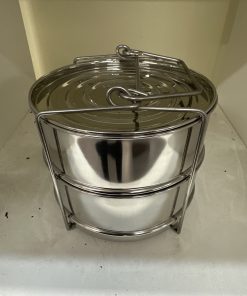
Sale!
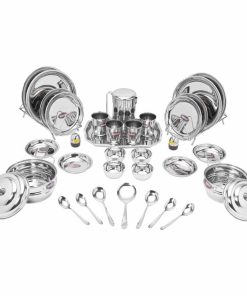
Plates, Cups, Jugs
Original price was: $190.00.$175.00Current price is: $175.00.
Sale!

Plates, Cups, Jugs
Original price was: $250.00.$225.00Current price is: $225.00.


Indian Cooking vessels, Handis, Dekshas for Curries, Gravies, Biryani, Milk boiling. We have Stainless Steel, Aluminum, Clay Pot and Iron Handis and Dekshas which is eco friendly, We deliver australia wide.
Biryani, a beloved dish in Indian cuisine, owes much of its rich flavor and aroma to the traditional cooking vessels used in its preparation. Biryani pots, also known as "handis" or "degchis," are integral to achieving the perfect biryani, with their unique design and material properties enhancing the cooking process.
Traditionally, biryani pots are made from heavy-duty materials like copper, brass, or clay. These materials are excellent conductors of heat, ensuring even cooking and preventing the rice and meat from burning. The thick walls of these pots retain heat well, allowing the biryani to cook slowly and evenly, which is essential for melding the complex flavors of spices, meat, and rice.
The shape of the biryani pot is also crucial. Typically, these pots have a wide base and a narrow top, which helps in the even distribution of heat and minimizes the loss of moisture. This design is particularly important for the "dum" cooking method, where the pot is sealed with dough to trap steam and cook the biryani in its own juices. This method infuses the dish with a deep, rich flavor that is hard to replicate with modern cookware.
In contemporary kitchens, while stainless steel and non-stick versions of biryani pots are available, many chefs and home cooks still prefer the traditional versions for their authenticity and superior cooking results. The use of these pots is not just about cooking; it's about preserving a culinary heritage that has been passed down through generations.
Whether you're a seasoned chef or a home cook, using a traditional biryani pot can elevate your biryani-making experience, connecting you to the rich history and culture of Indian cuisine.
In North Indian cuisine, several traditional cooking pots are commonly used to prepare curries:
Kadhai (Karahi): A deep, round-bottomed pan with sloping sides, ideal for stir-frying and deep-frying. It's perfect for dishes like paneer butter masala and chicken curry.
Degchi (Stewpot): A deep, broad pot with a narrow neck, traditionally made of brass or copper. It's used for slow-cooking curries and rice dishes like biryani.
Handi: A wide, deep pot with a narrow mouth, often used for dum cooking. It's excellent for slow-cooked dishes like dum aloo and mutton curry
Patila (Patela): A versatile pot used for boiling, steaming, and cooking curries. It's commonly used for making dals, soups, and chai
Tadka Pan: A small pan used for tempering spices, which is an essential step in many North Indian curries
These pots are integral to achieving the authentic flavors and textures of North Indian curries